









Web diagram with semantic core structure

Semantic Site Mapping

Building meaning into site architecture for stronger rankings and real usability

How can your website structure support both technical needs and user experience? Semantic site mapping aligns core topics and themes for smooth navigation, while making it easier for search algorithms to comprehend and prioritize your pages. This clarity results in more effective digital assets that truly reflect your business.
Talk architecture

Putting It Together

Gathering Search Data

We gather market and user data, segmenting keywords by context and intent, so the architecture is always relevant to evolving business objectives.

Analyst mining search trend data
Team discussing ongoing review

Cluster Analysis

Clusters are designed for logical navigation by both users and search engines, creating a clear structure for your content.

Mapping for Growth

Priority is given to clusters that match your growth goals, making future scaling and topic expansion straightforward.

Ongoing Review

As user behavior changes, we revisit and refine your semantic core, ensuring long-term value is consistently delivered.

Collaborative Planning

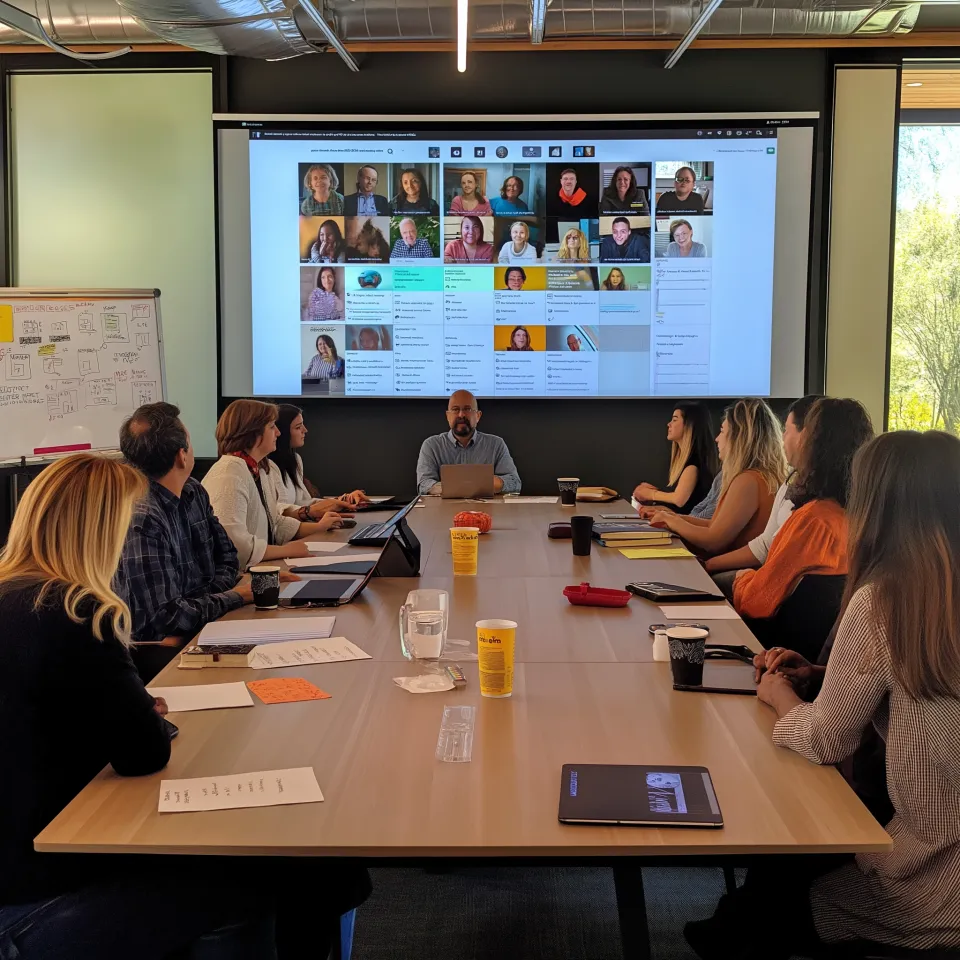
Cross-team workshop in progress

Technical Alignment

We ensure your semantic architecture matches your underlying site framework, so implementation is smooth and sustainable.

Business-Driven Decisions

All mapping decisions are guided by business goals, ensuring every technical choice returns practical value to your team.

Reviewing project documentation together

Cross-Team Workshops

We facilitate workshops so every participant, technical or business-focused, can shape and support the final strategy.

Shared Roadmap

Your team leaves with a clear roadmap for integrating the semantic core, backed by documentation and ongoing assistance.

Plan a workshop

From Data To Strategy Visuals

Continuous SEO Value

Ever wonder how top sites maintain visibility despite industry changes? It comes down to simple but consistent review cycles, clear semantic organization, and a willingness to adapt. For your company, this means resilient rankings, improved content ROI, and less wasted effort chasing single-term wins. Instead, we cultivate a living knowledge base tailored to your evolving market context.

Mapping Growth Over Time

Does your content strategy reflect the changing needs of your customers? Topic clusters and semantic mapping provide a flexible yet structured way to adjust as trends shift. By reviewing performance on a regular basis and tying changes back to key business goals, both technical and non-technical stakeholders can contribute to smarter roadmap decisions.

Stakeholder Integration

Workshops

Our collaborative sessions bring technical and business teams together so everyone understands the what, why, and how behind strategy decisions.

Documentation

Every plan comes with step-by-step guides, helping you get buy-in from all stakeholders and maintain clarity for future changes.


Workshop session with whole team
Team examining project documentation

Implementation

We support real-world rollouts, making sure new clusters and architectures are functional from day one.

Review Cycles

Scheduled reviews mean your architecture remains both relevant and actionable as search trends evolve.